As the Kingdom of Eswatini welcomes the month of March, attention turns to 22 March, when the world commemorates World Water Day, a global initiative led by the United Nations to raise awareness about the importance of freshwater and the sustainable management of water resources.
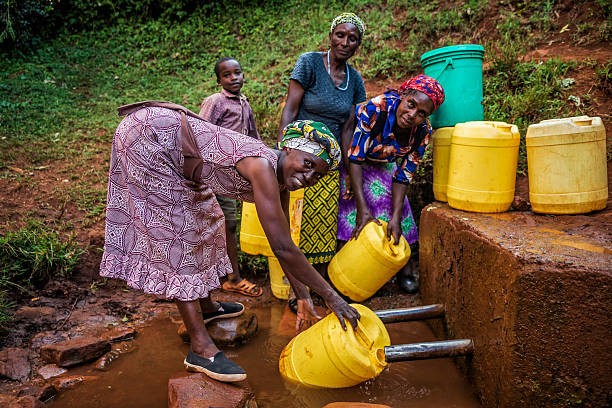
This year’s theme, “Water and Gender,” shines a spotlight on the strong connection between access to water, sanitation, and gender equality. The campaign emphasizes that in many parts of the world, including communities within Eswatini, women and girls carry the greatest responsibility where water is limited or difficult to access. In several rural areas, women and girls walk long distances to collect water for household use. This daily responsibility affects school attendance, limits economic opportunities, and increases exposure to health and safety risks. Reliable access to clean water therefore goes beyond meeting a basic need, it supports dignity, opportunity, and equality.
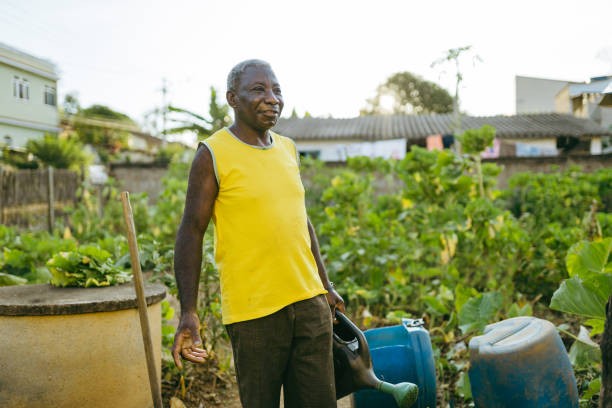
Across Eswatini, water remains central to livelihoods and national development. Communities depend on rivers, dams, and groundwater for domestic use, agriculture, and small-scale enterprises. However, pressures such as climate variability, recurring droughts, and growing demand continue to challenge water availability. Sustainable management and responsible use are more critical than ever.
Schools play a significant role in advancing water awareness. When schools have safe water and adequate sanitation facilities, learner health and attendance improve, particularly for girls. World Water Day provides an opportunity for schools to host educational programmes, debates, clean-up campaigns, and water conservation activities that instil lifelong responsible habits among young people.
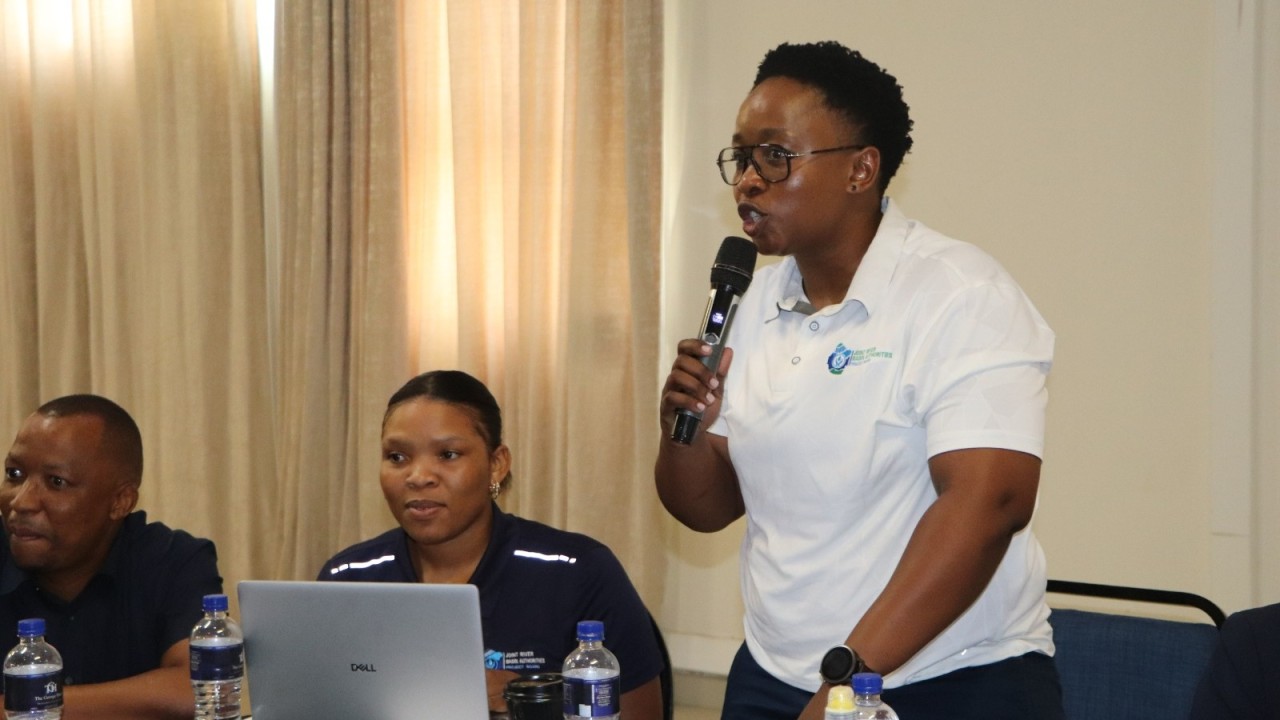
Community structures, water user associations, and local leadership bodies are equally important. Inclusive participation, especially the involvement of women in decision-making, strengthens governance and ensures that water management reflects the realities faced at household level. Women’s leadership in water committees and basin-level structures brings practical insight and promotes equitable distribution. Organizations, government institutions, and development partners continue to invest in infrastructure, policy implementation, and advocacy efforts to improve water security in the country. Strengthening compliance, enhancing data collection, and promoting integrated water resource management are essential steps toward ensuring that water is managed fairly and sustainably for current and future generations.
World Water Day serves as a reminder that water security is a shared responsibility. Protecting water sources from pollution, using water efficiently, and supporting inclusive governance are actions that require collective commitment. As Eswatini joins the global community on 22 March, the message is clear: water is not only a resource for survival, it is a foundation for equality, development, and resilience. By addressing the link between water and gender, the nation moves closer to a future where every community, woman, and child has secure and dignified access to this vital resource.
Where Gender Equality Flows, Water Flows
This year’s slogan, “Where Gender Equality Flows, Water Flows,” captures a powerful truth about sustainable development in Eswatini and beyond. Water security and gender equality are deeply connected. When women and men have equal opportunities to participate in water governance, communities benefit from more inclusive, practical, and sustainable solutions.
In many households, women are the primary managers of water for cooking, cleaning, farming, and caring for families. Their daily experiences provide critical insight into water access challenges and community needs. When their voices are included in decision-making structures, from local water committees to national platforms, water systems become more responsive and resilient.
The slogan also speaks to leadership. Gender equality in water management is not only about participation, but about influence. It means ensuring that women are represented in planning, policy development, and infrastructure management. When equality flows through institutions and communities, water resources are better protected, distributed more fairly, and managed more efficiently.
In this way, the message is clear: advancing gender equality strengthens water governance, and strong water governance strengthens national development. As Eswatini marks World Water Day this March, the call is for collective action, to build systems where equality and sustainability move together, ensuring that no community is left behind.
In line with the theme “Water and Gender,” JRBA-PB recognizes that sustainable water management must be inclusive. The institution continues to advocate for equal participation of women and men in water governance platforms, educate communities on the importance of compliance and responsible usage, and support structures that ensure equitable and transparent water allocation.